Sleep • Light • Recovery • Energy
Reset Your Rhythm
Restore energy by working with your body’s natural clock.
Your body works best when light, sleep, movement, and recovery stay in rhythm. But modern life often pulls those signals apart through artificial light, stress, screens, and constant stimulation. Over time, energy, focus, sleep, and recovery can begin to feel off. Simple daily habits – movement, sleep, sunlight, and whole foods – can help your body restore a healthier natural balance.
Modern life changed the signals
The Modern Rhythm Disruption
Your body uses light, darkness, sleep, food timing, movement, and recovery as daily biological signals. These signals help regulate your internal clock and guide when the body should wake, digest, repair, and rest.
Modern life can disrupt that rhythm: too much artificial light at night, not enough sunlight during the day, constant screens, irregular sleep, stress, late eating, and long indoor hours.
When the body receives mixed timing signals, it may affect sleep quality, energy, mood, focus, hunger, recovery, and hormone balance.
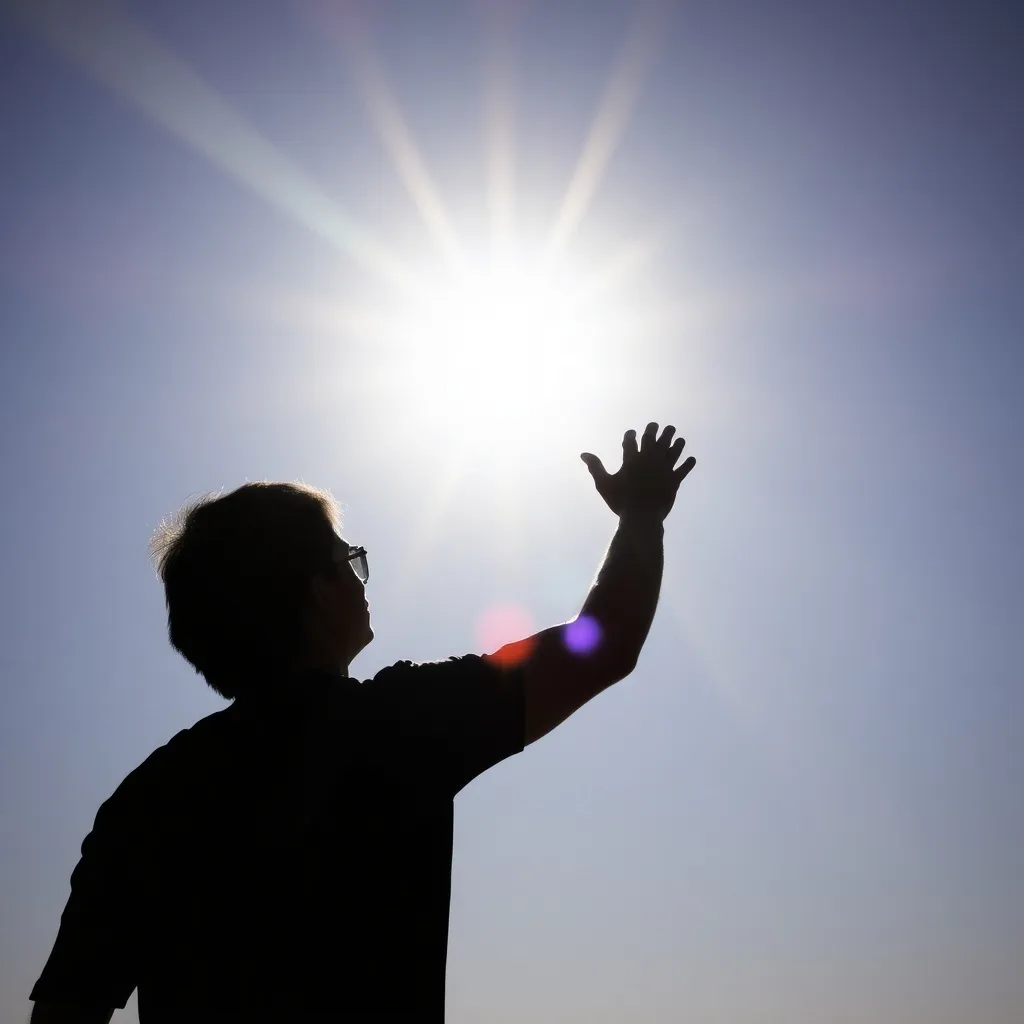
The goal is not perfection. The goal is to reconnect with the rhythm your body understands best: morning sunlight, darker nights, steady sleep, daily movement, real food, and enough recovery.
Build a Flexible Daily Rhythm
A steady routine can support sleep, appetite, energy, and recovery. The best schedule is one you can follow safely and adapt to your needs.
Morning: Get daylight when practical, hydrate according to thirst and conditions, and eat when it fits your hunger, health needs, and schedule.
Through the day: Move regularly and choose meals that provide enough protein, fiber-rich foods, and overall energy. Meal number and timing can vary.
Evening: Wind down in a way that supports sleep. If caffeine disrupts your sleep, reduce it or have it earlier; sensitivity differs between people.
Your Next Step
Your body responds to the signals you repeat every day. Start with the question that feels most relevant to you right now.
Learn how sleep, repair, and recovery support energy, metabolism, mood, and long-term health. |
Discover how morning light, evening light, and daily rhythm help support sleep, focus, hormones, and natural energy. | ||||
Learn how daily choices can influence gene expression and long-term health. |
Explore how sleep, nutrition, movement, and recovery may support healthy aging, resilience, and long-term vitality. | ||||
You do not need to do all of this at once. Choose one simple action and repeat it until it feels normal. Small rhythms become easier when they are repeated. For guided support beyond daily habits, explore DreamBuilder. | |||||
Notice Your Pattern—Do Not Force a Calendar
Hormonal changes across the menstrual cycle can affect energy, sleep, appetite, and exercise for some women, but the pattern and size of those changes vary. There is no universal cycle-based food or training plan.
📝 Track Your ExperienceNotice your own sleep, symptoms, appetite, and training response over several cycles. | 🔄 Adjust When UsefulChange intensity, rest, or meal timing when it helps you—not because a calendar says you must. | 🍽️ Protect NourishmentEat enough to support daily life and training. Avoid rigid fasting or restriction when it worsens symptoms. | 🩺 Ask When Things ChangeSeek medical care for very heavy bleeding, severe pain, fainting, missing periods, or a major unexplained change. |
A hopeful reset
Your Body Wants Balance
Your body is always listening to the signals around you. Morning light, darker nights, steady sleep, daily movement, real food, and enough recovery can help guide your body back toward a rhythm it understands.
You do not need perfection. Small rhythms repeated consistently can support energy, mood, metabolism, repair, and long-term resilience. The reset begins by changing the signals — one simple step at a time.

Sources
This platform is built on trusted scientific sources.
- Bikman, B. “Why We Get Sick.” BenBella Books (2020)
- Fung, J. “The Obesity Code.” Greystone Books (2016)
- Volek, J.S. & Phinney, S.D. “The Art and Science of Low Carbohydrate Living.” Beyond Obesity LLC (2011)
- Lustig, R.H. “Fat Chance.” Hudson Street Press (2012)
- Bredesen, D.E. “The End of Alzheimer’s.” Avery (2017)
- Seyfried, T.N. “Cancer as a Metabolic Disease.” Wiley (2012)